Home Maintenance Checklist by Season: Essential Tasks to Prevent Expensive Repairs
Owning a home is one of the biggest investments most people will ever make. While buying a house is exciting, maintaining it is what truly protects its value over time. Unfortunately, many homeowners only address problems after they become serious, leading to costly repairs that could have been avoided with regular maintenance.
A seasonal home maintenance checklist helps you stay ahead of issues before they turn into expensive emergencies. By completing simple inspections and routine tasks throughout the year, you can extend the lifespan of your home’s major systems, improve energy efficiency, and keep your property looking its best.
Why Seasonal Home Maintenance Matters
Every season brings different weather conditions that affect your home’s structure, landscaping, plumbing, roofing, HVAC system, and exterior surfaces. Ignoring seasonal maintenance can result in:
- Roof leaks
- Water damage
- Mold growth
- Higher utility bills
- Foundation problems
- Pest infestations
- HVAC breakdowns
- Plumbing failures
- Premature wear on appliances
Routine maintenance costs far less than emergency repairs and helps preserve your home’s resale value.
Spring Home Maintenance Checklist
Spring is the perfect time to inspect your home after winter and prepare for warmer weather.
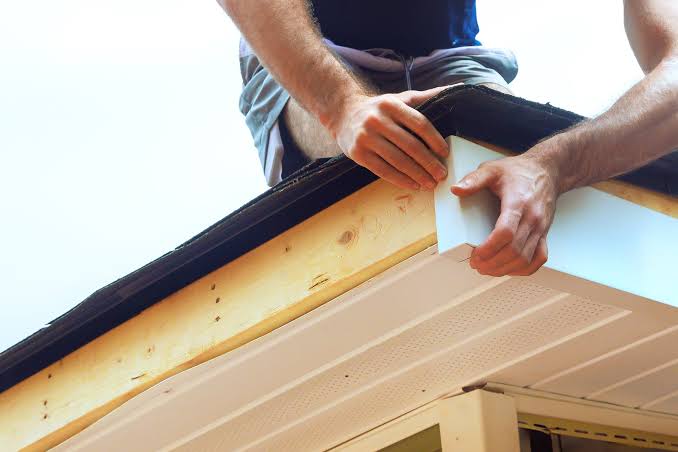
Inspect the Roof
Winter storms, ice, and heavy winds can damage roofing materials.
Look for:
- Missing shingles
- Loose flashing
- Damaged gutters
- Moss growth
- Water stains in the attic
Fixing small roof issues early prevents major leaks during rainy months.
Clean Gutters and Downspouts
Leaves and debris can clog gutters during fall and winter.
Clean them thoroughly and ensure water flows away from your home’s foundation.
Check for:
- Loose brackets
- Rust
- Cracks
- Sagging sections
Examine Your Foundation
Walk around your home looking for:
- New cracks
- Water pooling
- Soil erosion
- Uneven settling
Small foundation issues are much cheaper to repair than structural damage later.
Service Your Air Conditioner
Before summer arrives:
- Replace air filters
- Clean outdoor condenser units
- Remove leaves and debris
- Schedule professional servicing if necessary
A tuned HVAC system operates more efficiently and reduces energy costs.
Check Windows and Doors
Inspect:
- Weatherstripping
- Caulking
- Locks
- Screens
Replacing worn seals improves insulation and prevents water intrusion.
Inspect Exterior Paint
Peeling or cracked paint exposes wood to moisture.
Touch up damaged areas before they become larger problems.
Test Outdoor Faucets
Freezing temperatures can damage outdoor plumbing.
Turn on all hose bibs and inspect for:
- Leaks
- Reduced water pressure
- Dripping connections
Repairing small leaks prevents water waste.
Summer Home Maintenance Checklist
Summer provides ideal weather for outdoor projects and preventive repairs.
Power Wash Exterior Surfaces
Clean:
- Siding
- Decks
- Driveways
- Patios
- Walkways
- Fences
Removing dirt, algae, and mildew extends the life of building materials.
Inspect Decks and Patios
Check for:
- Loose boards
- Rusty fasteners
- Rotting wood
- Cracked concrete
- Wobbly railings
Seal wooden decks every few years to protect them from moisture and UV damage.
Trim Trees and Shrubs
Branches touching your roof can:
- Damage shingles
- Invite pests
- Increase storm damage
Keep trees trimmed several feet away from the house.
Inspect Sprinkler Systems
Look for:
- Broken sprinkler heads
- Uneven watering
- Leaking valves
- Clogged nozzles
Efficient irrigation saves water and protects landscaping.
Clean Dryer Vents
Lint buildup is a major fire hazard.
Disconnect and clean the dryer vent thoroughly to improve safety and efficiency.
Check Garage Doors
Inspect:
- Springs
- Rollers
- Hinges
- Tracks
- Safety sensors
Lubricate moving parts for smoother operation.
Inspect Fencing
Repair loose posts, broken boards, and damaged gates before they worsen.
Fall Home Maintenance Checklist
Fall is all about preparing your home for colder temperatures.
Clean Gutters Again
Falling leaves quickly clog gutters.
Remove debris before winter arrives to prevent ice dams and water overflow.
Inspect Heating System
Before cold weather begins:
- Replace furnace filters
- Clean vents
- Test thermostats
- Schedule HVAC maintenance
A properly serviced heating system operates more safely and efficiently.
Seal Air Leaks
Inspect around:
- Windows
- Doors
- Utility openings
- Attic access
Use weatherstripping and caulk to eliminate drafts and reduce heating costs.
Drain Outdoor Plumbing
Disconnect:
- Garden hoses
- Irrigation timers
- Outdoor faucets
Drain irrigation systems to prevent frozen pipes.
Check Chimneys and Fireplaces
If you burn wood:
- Remove soot buildup
- Inspect the chimney cap
- Schedule professional chimney cleaning if needed
A clean chimney reduces fire risk.
Inspect the Roof Again
Autumn storms may loosen shingles before winter snow arrives.
Repair any damage immediately.
Clean Ceiling Fans
Reverse fan direction so blades rotate clockwise during winter.
This helps circulate warm air more efficiently.
Winter Home Maintenance Checklist
Cold weather creates unique challenges for homeowners.
Prevent Frozen Pipes
Protect exposed plumbing with insulation.
During extreme cold:
- Keep cabinets open under sinks
- Let faucets drip slightly
- Maintain indoor temperatures
Frozen pipes can burst and cause thousands of dollars in water damage.
Inspect Attic Insulation
Proper insulation:
- Reduces heat loss
- Prevents ice dams
- Lowers heating bills
Check for wet insulation, mold, or animal activity.
Test Smoke and Carbon Monoxide Detectors
Replace batteries annually.
Test every detector monthly to ensure proper operation.
Monitor Ice Dams
Ice buildup along roof edges can force water beneath shingles.
Safely remove excessive snow from the roof when necessary.
Inspect Basement for Moisture
Winter snow melt can reveal drainage problems.
Look for:
- Damp walls
- Mold
- Standing water
- Musty odors
Early detection prevents larger foundation issues.
Check Emergency Supplies
Prepare for winter storms by stocking:
- Flashlights
- Batteries
- Drinking water
- First aid supplies
- Portable chargers
- Blankets
Power outages are easier to handle with proper preparation.
Monthly Home Maintenance Tasks
Some maintenance should be completed regardless of the season.
Replace HVAC Filters
Dirty filters reduce airflow and increase energy consumption.
Most homes benefit from replacing filters every one to three months.
Test Safety Devices
Regularly inspect:
- Smoke alarms
- Carbon monoxide detectors
- GFCI outlets
- Fire extinguishers
Inspect Plumbing
Check under sinks for:
- Drips
- Corrosion
- Moisture
- Loose fittings
Fixing a slow leak today prevents major water damage tomorrow.
Clean Kitchen Exhaust Fans
Grease buildup reduces airflow and increases fire risk.
Clean filters according to manufacturer recommendations.
Inspect Appliances
Check hoses behind:
- Washing machines
- Dishwashers
- Refrigerators
Replace cracked or aging hoses before they fail.
Annual Home Maintenance Tasks
Some projects only need attention once a year.
Flush the Water Heater
Sediment buildup reduces efficiency and shortens water heater life.
Annual flushing improves performance.
Inspect Electrical Systems
Look for:
- Loose outlets
- Flickering lights
- Warm switches
- Damaged extension cords
Call an electrician if anything appears unsafe.
Pump Septic Systems
Homes with septic tanks should follow recommended pumping schedules based on household size.
Deep Clean Carpets
Professional carpet cleaning removes allergens and extends flooring life.
Inspect Sump Pumps
Pour water into the sump pit to verify proper operation before heavy rains arrive.
Signs Your Home Needs Immediate Attention
Routine maintenance helps prevent problems, but some warning signs require prompt action.
Never ignore:
- Water stains on ceilings
- Cracks widening in walls
- Sagging floors
- Persistent mold growth
- Unusual electrical smells
- Frequent circuit breaker trips
- Sewer odors
- Large roof leaks
- Foundation movement
- Pest infestations
Addressing these issues early can prevent significantly larger repair bills.
Helpful Maintenance Tools Every Homeowner Should Own
Keeping a few essential tools on hand makes maintenance much easier.
Consider owning:
- Ladder
- Cordless drill
- Hammer
- Screwdriver set
- Adjustable wrench
- Flashlight
- Utility knife
- Tape measure
- Caulking gun
- Garden hose
- Leaf rake
- Shop vacuum
- Pressure washer
- Safety gloves
- Protective eyewear
Quality tools often pay for themselves after only a few DIY repairs.
Tips to Stay Organized
Many homeowners forget maintenance because life gets busy.
Stay on track by:
- Creating a seasonal checklist
- Setting calendar reminders
- Keeping maintenance records
- Saving appliance manuals
- Photographing completed repairs
- Scheduling professional inspections annually
Organization ensures nothing important gets overlooked.
When to Hire a Professional
While many maintenance tasks are DIY-friendly, certain jobs require professional expertise.
Consider hiring qualified professionals for:
- Electrical repairs
- Roof replacement
- Major plumbing work
- HVAC installation
- Structural repairs
- Foundation issues
- Large tree removal
- Mold remediation
Attempting complex repairs without proper experience can create safety hazards and increase repair costs.
Final Thoughts
A well-maintained home is safer, more comfortable, and far less expensive to own over the long term. Following a seasonal maintenance checklist allows you to identify small issues before they become major repairs, helping protect both your investment and your peace of mind.
Rather than waiting until something breaks, adopt a proactive approach by scheduling maintenance throughout the year. Cleaning gutters, inspecting your roof, servicing HVAC equipment, sealing air leaks, and checking plumbing may seem like small tasks individually, but together they significantly reduce the risk of costly emergencies.
With consistent seasonal care, your home will remain efficient, attractive, and structurally sound for years to come, while saving you thousands of dollars in avoidable repair expenses.